airspace magazine
In the latest issue
What’s on offer
Welcome to the final edition of Airspace Magazine for 2025!
As aviation evolves, air traffic management must integrate more users and advanced technologies. This issue examines how the global air traffic management (ATM) community is building a future-ready system.
We explore the actionable roadmap from the Complete Air Traffic System (CATS) Global Council, focusing on practical steps for automation, digital information sharing, and the seamless integration of new entrants. This includes the challenges and opportunities of harmonising operations for advanced air mobility, space, and new technologies.
Key priorities: safety, sustainability, cyber resilience, and regional inclusion – are examined in depth, with a focus on regions like Latin America and Asia-Pacific.
This issue demonstrates that the future of ATM is a coordinated global effort, combining human expertise with collaboration and innovation to manage complexity.
Read on for insights on how this transformation is reshaping air traffic management for the decades ahead.
Explore airspace
airspace is CANSO’s magazine for ATM and aviation’s key players, and includes perspectives from key decision-makers and thought-leaders, and technical insights from industry experts and partners.
airspace is read in over 100 countries by around 21,500 industry professionals.

Share your perspective with the industry.

Boost your brand through advertising opportunities.

Making good on promises for seamless skies
Simon Hocquard, CANSO’s President & CEO, says that great achievements are air traffic management’s stock in trade
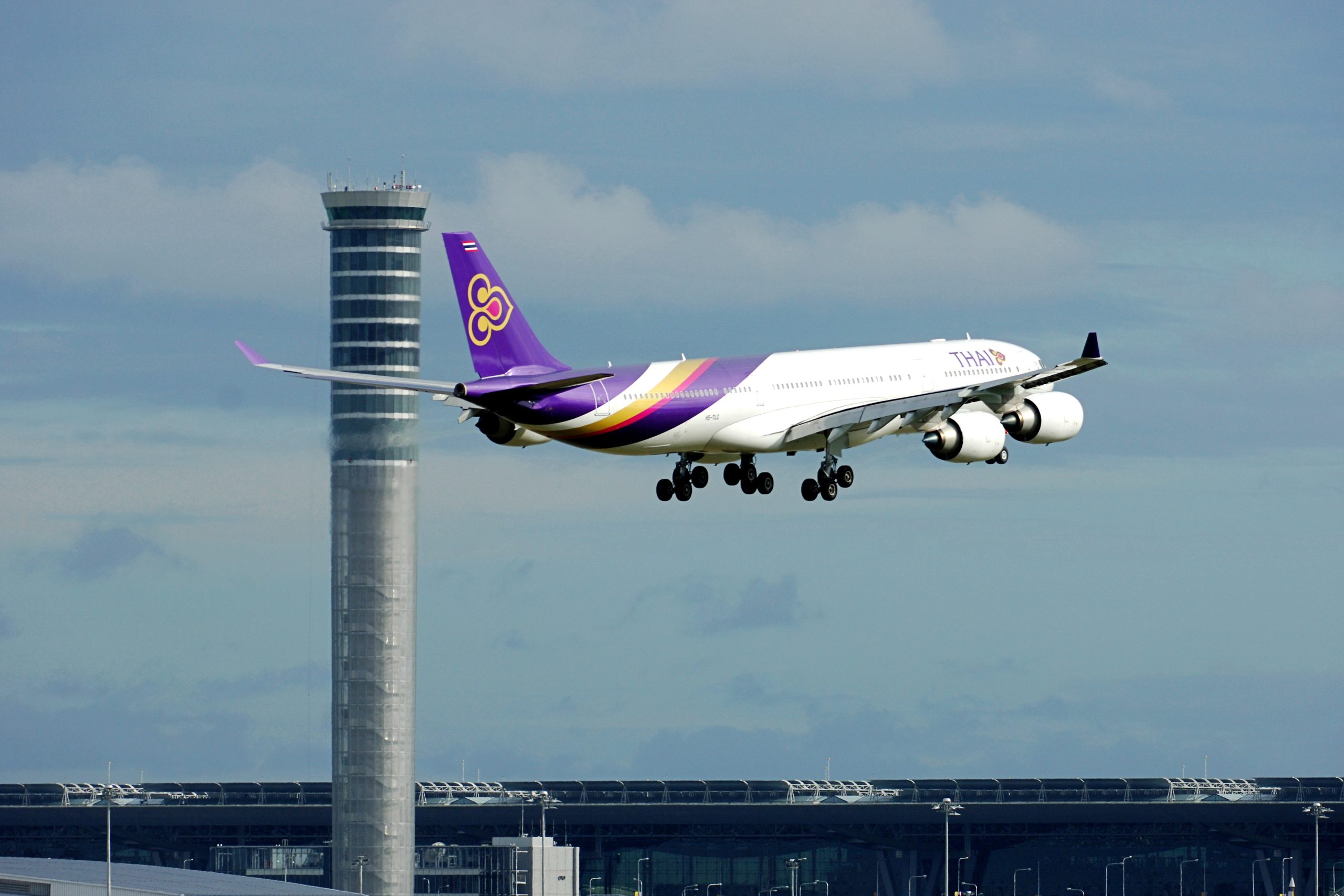
Overcoming ATFM challenges in Asia Pacific
Piyawut Tantimekabut, ATM Expert, Director Level, AEROTHAI, and Chairperson, ICAO APAC ATFM & A-CDM Steering Group, details the progress of Air Traffic Flow Management in Asia Pacific

Towards a new frontier through collaboration
According to OAG schedule data for October 2025, 70 per cent of the world’s busiest international routes and 90 per cent of the world’ busiest domestic routes by seats available are in Asia-Pacific.
Previous issues




airspace print