Co-designing Change for Future Skies:Collaboration at the Heart of ATM Transformation
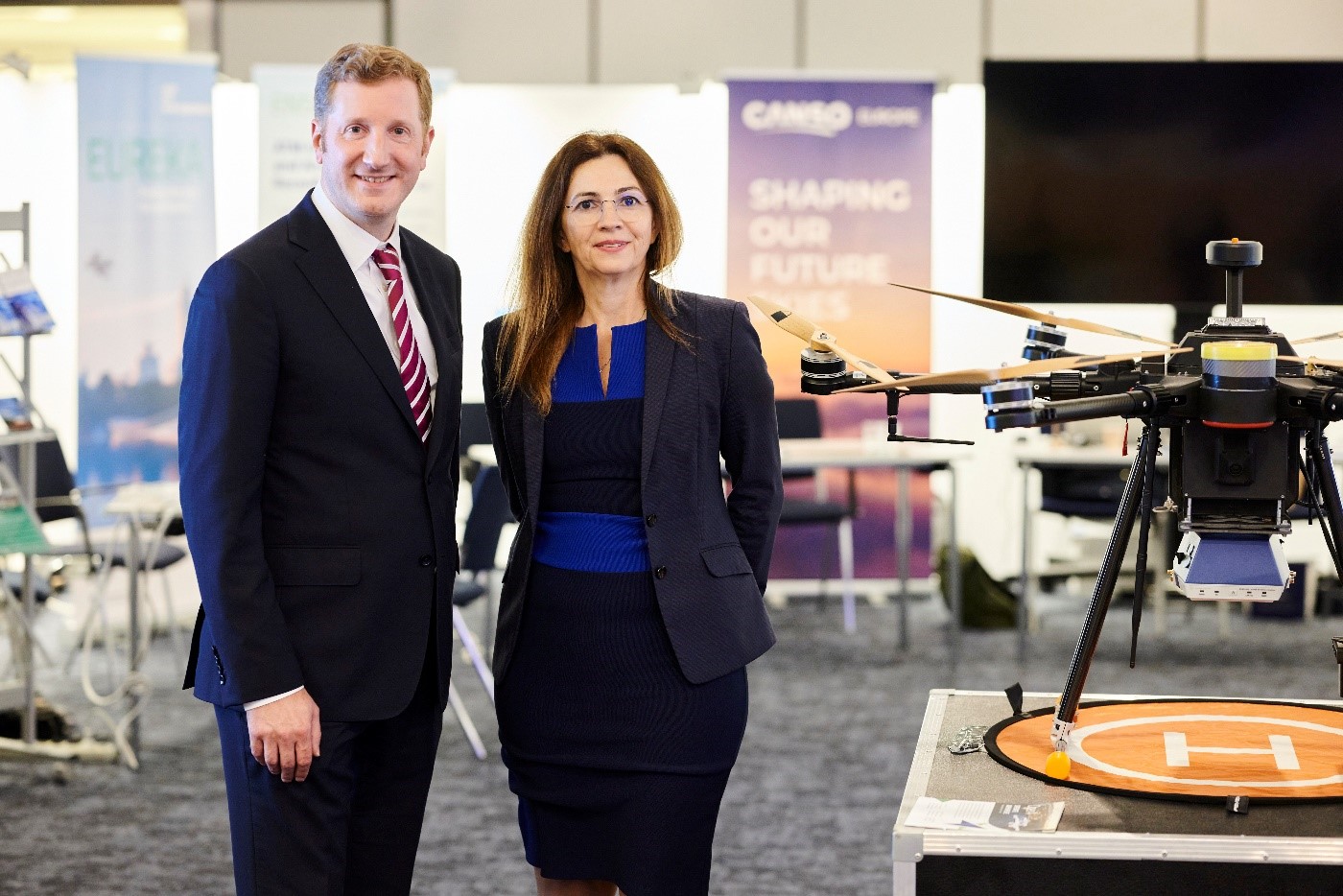
In this blog, previously published exclusively for CANSO Connect users, Ben Stanley, CEO of Firstfruits Services, and Eduardo Garcia, Manager Future Skies, CANSO, look at how to manage change in the ever-evolving ATM industry.
The aviation community has made significant progress in defining the future of air traffic management. Yet delivering that future is proving far more complex than describing it. Transformation today is multi-layered, continuous, and deeply dependent on human, organisational, and system-wide adaptation.
Against this backdrop, a fundamental question emerges: to deliver successful change, do we need to evolve how we manage change itself in our organisations and workforces?
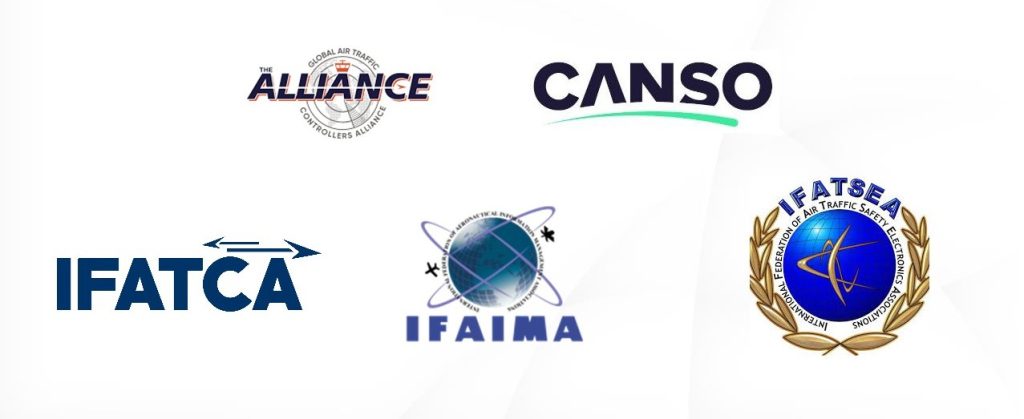
In response to this challenge, CANSO and the Global ATC Alliance have launched a joint initiative to develop a white paper on change management in ATM modernisation, inviting IFATCA, IFATSEA and IFAIMA to join and contribute. This collaboration brings a unique and powerful perspective, spanning service providers, operational staff, engineers, managers, and the broader aviation community.
Transformation is not only about what we are building, but how we bring people, organisations, and systems along the journey in ways that motivate, build confidence, and trust, and develop the meaningful engagement required for success.
Why this work matters now
There is a growing gap between technological capability and organisational readiness. Bridging this gap is not a technical exercise. It requires a deliberate, structured, and human-centred approach to change, one that acknowledges operational realities such as workforce pressure, fatigue, and the coexistence of legacy and future systems.
The joint white paper therefore moves beyond another conceptual vision and delivers practical guidance on how to manage transformation in a safe, trusted, and sustainable way.
The drafting group has aligned on a clear direction:
- Focus on human-centred transformation, not just technology
- Provide pragmatic, actionable guidance, not abstract concepts
- Address real operational challenges, not idealised scenarios
- Build on trust, co-design, and continuous learning as key enablers
A key insight emerging from the discussions is that change management itself is becoming a core operational capability, rather than a supporting function. The ability to manage change effectively will increasingly define the success, or failure, of ATM modernisation efforts.
Safety, trust and the human dimension
One of the most important shifts in the work is how safety is being framed.
Rather than a static requirement or a compliance exercise, safety is being repositioned as a dynamic capability owned by the workforce, one that evolves alongside the system and actively enables transformation by recognising adaptation.
At the same time, the group is addressing a more subtle but equally critical dimension: trust.
- Trust in systems.
- Trust in new ways of working, procedures and tasks.
- Trust in data.
- Trust in leadership.
- And importantly, trust among the people who operate and sustain the system every day.
This is why co-design, with early and continuous involvement of operational and technical expertise, is emerging as a cornerstone of the framework. Not only does it improve solutions; it builds ownership, credibility, and ultimately, safer outcomes.
Looking ahead
The white paper is currently under development, with contributions from across the global ATM community and a target for completion later this year. It will be tested, refined, and discussed through key industry forums, including Airspace World.
This is a shared responsibility and a call to action: to co-design change in a way that is safe, realistic, inclusive, and sustainable.
If you have comments or questions, please get in touch with the group’s Chair, Ben Stanley (ben.stanley@firstfruits-services.com) and Secretariat, Eduardo Garcia (eduardo.garcia@canso.org).